
CAMP PENDLETON, Calif. — The Henderson Fire at Camp Pendleton has burned more than 3,226 acres and reached 85% containment as of Sunday, while experts warn that the burned hillsides could face increased erosion and mudslide risks if heavy rain arrives in the coming months.
Firefighters continue working to secure the fire’s perimeter and prevent further spread after the wildfire moved rapidly through dry vegetation earlier in the week. Strong Santa Ana winds helped fuel the flames, which at one point burned dangerously close to Interstate 5.
Although recent rainfall from Tropical Storm Rachel brought several inches of precipitation to parts of San Diego County, officials say the moisture has not significantly reduced the region’s wildfire risk.
Cal Fire Captain Mike Cornette said vegetation can take time to absorb rainfall, leaving dry plants and grass vulnerable to ignition and rapid fire growth.
“We’ve received several inches of rain in certain parts of the county, but it takes time for those plants and that grass to absorb that water,” Cornette said. “Our fuel moisture levels are still extremely low, so we will still see extreme fire growth in certain situations, especially when fires are responding to the wind and topography.”
Camp Pendleton received more than two inches of rain during the previous weekend’s storm. However, officials said the rainfall was insufficient to significantly raise moisture levels in the surrounding vegetation.
Burned Hillsides Raise Concerns Ahead of Winter Rainfall
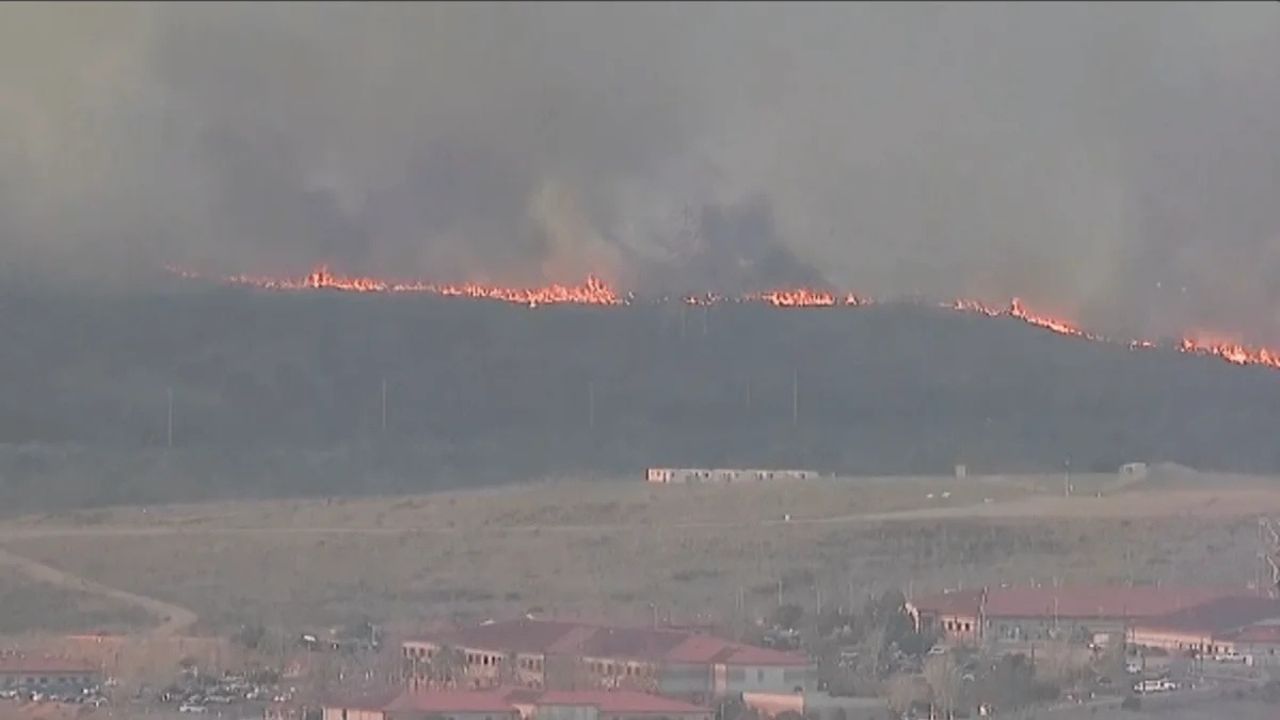
As firefighters work to contain the Henderson Fire, the damage left behind has raised concerns about the potential for erosion, flooding and debris flows during future storms.
Thousands of acres of burned hillsides have lost vegetation that would normally help hold soil in place. Without that natural protection, heavy rainfall can wash loose soil, rocks and other debris downhill, potentially threatening roads, homes and nearby communities.
Geologists say the risk could become more serious if Southern California experiences periods of intense rainfall during the upcoming winter.
Dr. Pat Abbott, professor emeritus of geology at San Diego State University, explained that vegetation and its root systems play an important role in stabilizing hillsides.
“The plants are dead. The roots aren’t there to hold the soil,” Abbott said. “We’ve seen examples where heavy rains following a big wildfire have led to disastrous mudflows, causing damage and even deaths.”
The concern is particularly significant in areas where steep terrain, recent wildfire damage and heavy rainfall can combine to produce dangerous debris flows.
Montecito Mudslides Show the Potential Danger
Abbott pointed to the deadly Montecito mudslides in January 2018 as an example of the destruction that can follow a major wildfire.
Heavy rainfall struck hillsides previously burned by the Thomas Fire, triggering debris flows that swept into residential areas and across roadways. The disaster killed 23 people and caused extensive damage.
“Heavy rains on those fire-burned slopes sent mudflows across the highway and into homes, actually killing 23 people,” Abbott said. “I hate to even think of things that bad, but when you ask how bad it could get, that’s the worst example I’m aware of in California.”
The Montecito disaster illustrates why emergency officials and geologists closely monitor burned areas when substantial rainfall is forecast. Even after flames are brought under control, wildfire damage can leave communities exposed to additional hazards for months.
El Niño Forecast Adds to Seasonal Weather Concerns
The potential for a wet winter has added another layer of concern for Southern California communities recovering from wildfire activity.
The weather pattern described in the original report as a “Super El Niño” is associated with expectations of substantial rainfall in the coming months. However, the strength and timing of any seasonal rainfall, as well as its local effects, remain important factors in determining the actual risk of flooding and debris flows.
Local agencies have been preparing for possible winter storms by clearing storm drains, reinforcing vulnerable slopes and stabilizing coastal bluffs.
Experts say reducing wildfire damage and limiting the area of burned land can also help lower the potential for erosion and related hazards. Nevertheless, areas that have already burned may remain vulnerable until vegetation begins to recover and the landscape becomes more stable.
For residents near steep hillsides and recently burned terrain, the combination of wildfire damage and intense rainfall can create hazards that persist long after a fire is contained.
Firefighters Continue Securing the Henderson Fire Perimeter
According to the latest update cited in the original report, firefighters spent Sunday strengthening the Henderson Fire’s perimeter and working to prevent additional growth.
The fire had burned more than 3,226 acres and was 85% contained as of Sunday. Containment indicates how much of the fire’s perimeter has been secured; it does not necessarily mean that all flames or hot spots have been extinguished.
The cause of the Henderson Fire remains under investigation.
While crews continue their work at Camp Pendleton, attention is also turning to the potential consequences of the burned landscape as Southern California approaches the winter rainy season. Officials and experts will be watching weather conditions closely as they assess the risks facing fire-affected areas.