
MAURY COUNTY, Tenn. — Spring Hill is moving forward with a plan to address its ongoing wastewater challenges after city leaders approved an agreement with Columbia to expand sewer capacity between the two Tennessee cities.
The agreement, developed after more than a year of work on potential wastewater solutions, will allow Spring Hill to connect its sewer system to Columbia’s infrastructure through a new 12-inch sewer main.
According to city officials, the pipeline will run from the Spring Hill Reclamation Plant on Mahlon Moore Road to Columbia’s wastewater system near the northern edge of the city limits.
The project is expected to cost approximately $12 million and is designed to transport between 500,000 and 1.5 million gallons of wastewater per day. The total estimated cost includes $3 million in upgrades to the Carter’s Creek Pike Pump Station and another $9 million for the pipeline connecting the two municipal systems.
Under the agreement, Spring Hill will pay Columbia a usage rate for accepting wastewater through the shared infrastructure.
Agreement Aims to Increase Wastewater Capacity
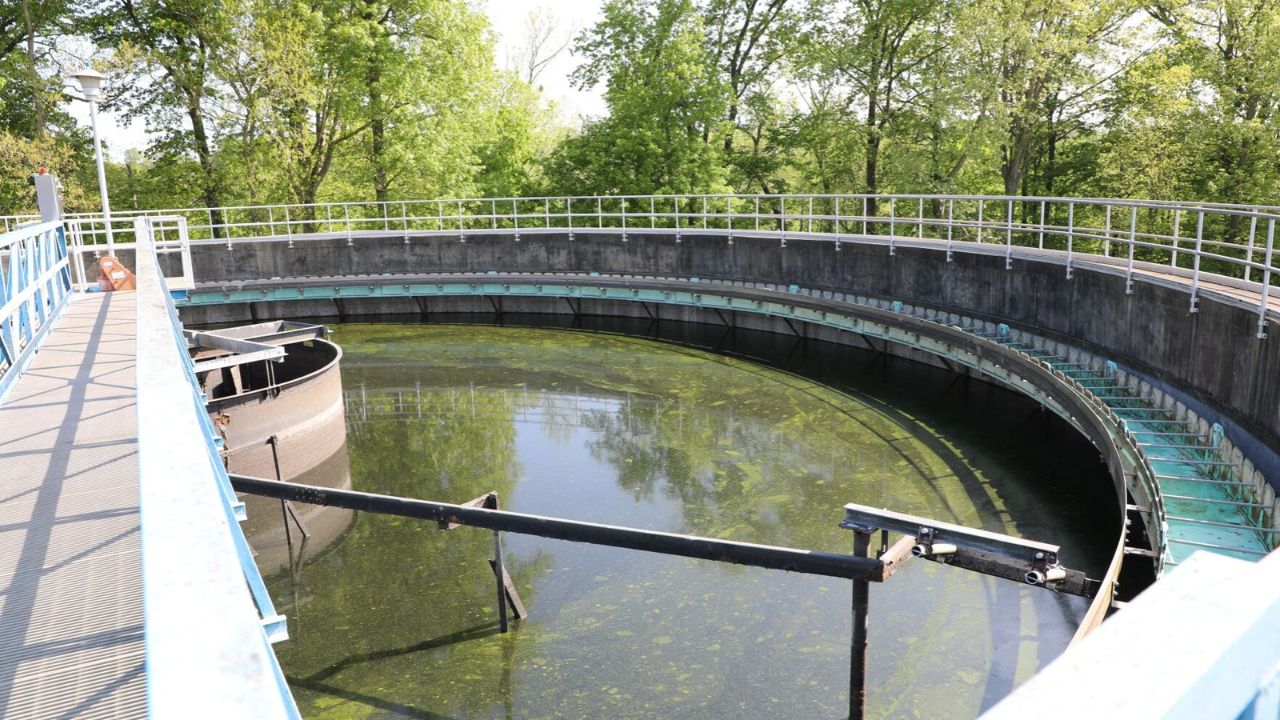
Spring Hill officials described the partnership as an important step toward addressing the city’s wastewater needs. The additional capacity is expected to help relieve pressure on the existing system while allowing the two municipalities to share resources.
Members of Spring Hill’s Board of Mayor and Aldermen said the agreement represents a cooperative solution at a critical time for the city.
Ward 4 Alderman Vincent Fuqua welcomed the partnership and defended the decision amid criticism from some residents.
“This is an extreme win for the very folks that are being very negative towards it,” Fuqua said.
He also thanked the elected officials and staff members from both cities for working together to address the wastewater challenges.
“Appreciate your elected officials being here this evening, your staff, definitely our staff and elected officials for having the courage to face a problem head-on and address it,” Fuqua said.
The agreement is intended to provide Spring Hill with additional wastewater capacity while creating financial benefits for Columbia as well.
Columbia Officials Support the Partnership
For Columbia residents who pay utility rates, Fuqua said the agreement could also help reduce the city’s debt burden.
Columbia Vice Mayor Randy McBroom expressed support for the cooperation between the neighboring communities and said he hopes the agreement can serve as an example of how the two cities can work together on shared challenges.
The Columbia City Council had already voted in favor of the wastewater plan at a meeting earlier in the month. Spring Hill’s approval advances the agreement between the two municipalities.
The partnership reflects a broader effort to address infrastructure demands through cooperation rather than relying solely on individual city systems.
Spring Hill and Columbia Could Pursue More Joint Projects
The wastewater agreement may also create opportunities for additional cooperation between Spring Hill and Columbia.
Officials from both communities have expressed interest in working together on other regional concerns, including efforts to alleviate traffic congestion along Highway 31.
While the wastewater project focuses on expanding sewer capacity, the broader partnership could provide a foundation for addressing infrastructure and transportation challenges affecting residents in both cities.
For Spring Hill, the agreement represents a significant step toward managing its wastewater needs. For Columbia, it offers an opportunity to participate in a regional infrastructure solution while potentially easing its financial obligations.
The project’s estimated $12 million cost, planned pipeline connection, and wastewater transfer capacity make the agreement a major infrastructure initiative for the two Maury County-area communities.
Further project details, including a construction timeline and completion date, were not provided in the information released for this report.